Every medium in today’s digital world is dominated by video content, from Netflix documentaries and corporate ads to YouTube and Instagram Reels. Video editing and VFX has emerged as one of the most sought-after and creatively fulfilling professional options as the use of graphics to express stories continues to expand. Every intriguing video you come across online is the product of painstaking editing, which turns uncut footage into a smooth, engrossing story. Let’s see how advanced video editing tools are revolutionizing storytelling and digital media production across industries. FITA Academy helps learners combine creative editing techniques with hands-on software training and professional video project simulations.
The versatility of video editing and VFX is what makes it so beautiful; it can be used in gaming, education, social media, cinema, and advertising. The possibilities are unlimited, whether your goal is to edit cinematic masterpieces for film studios or short-form movies for influencers. Even from the comfort of your home, you may start a successful profession from beginning if you have the necessary resources, abilities, and commitment. Let’s take a step-by-step look at how you can begin editing videos right now.
Role of a Video Editor
The creative expert in charge of crafting a narrative from uncut film is a video editor. In order to create a coherent end product that supports the director’s or client’s vision, they choose, organize, and polish clips. However, the position involves more than just technical expertise; it also calls for timing, emotional effect, and an eye for detail.
To make sure every cut improves the story, editors collaborate closely with producers, directors, and cinematographers. To increase quality and engagement, they use color adjustments, music, visual effects, and transitions. Editors in marketing create material specifically for sites like LinkedIn, YouTube, and TikTok. They give storylines and characters life in movies and television. To succeed in this position, one must comprehend pacing, emotional rhythm, and the storytelling process. A skilled editor creates an engaging experience for viewers rather than merely piecing together pieces.
Aspiring Video Editor Needs
You’ll need a combination of technical know-how and creative thought to be successful as a video editor. You must learn how to use editing programs like Avid Media Composer and Adobe Premiere Pro. Next, gain a firm grasp of rhythm, visual composition, and storytelling. A skilled editor understands when to make cuts, how to create suspense, and how to arouse feelings. A keen eye for detail guarantees consistency and refinement in each project. Advance your creative career by joining the Video Editing Course in Chennai, where you’ll gain hands-on experience in video production, editing techniques, color grading, and real-time post-production projects.
Communication and time management abilities are equally crucial, particularly when working with clients or creative teams. Last but not least, flexibility is essential since tools and trends change rapidly, and being adaptable keeps you current. You become more useful in this rapidly expanding sector the more you combine originality and accuracy.
Right Video Editing Software
Your productivity and learning experience can be influenced by the video editing program you select. DaVinci Resolve and Adobe Premiere Pro are excellent choices for novices. Premiere Pro is perfect for pros since it provides industry-standard tools and works nicely with Photoshop and Adobe After Effects. In contrast, DaVinci Resolve is a free program that works well for color grading and editing. Final Cut Pro is a potent option for Apple users, renowned for its quickness and user-friendly interface. Filmora and HitFilm Express provide basic drag-and-drop editing with necessary capabilities for novice editors.
The secret is to begin with one tool and get proficient with it before experimenting with others. The majority of software has trial versions and built-in tutorials so you may test it out before making an investment. Learning many platforms will help you become more adaptable and prepared for a variety of tasks as you develop. Boost your artistic skills by enrolling in the Animation Course in Chennai, where you’ll learn 2D and 3D animation, motion graphics, visual storytelling, and industry-level animation workflows.
Professional Editing Setup
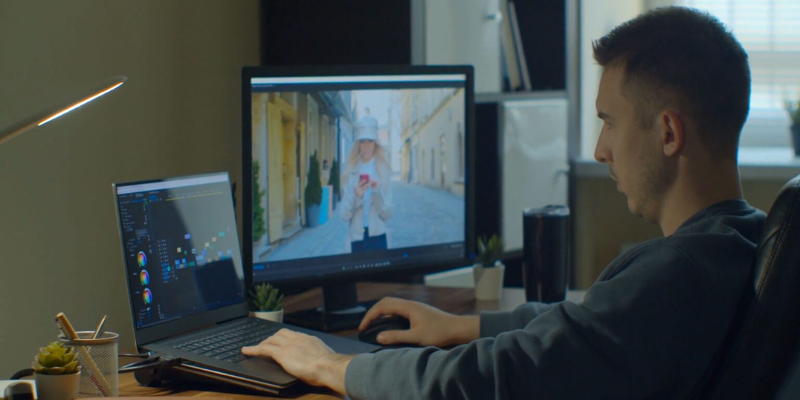
Although a Hollywood studio is not necessary to begin video editing, having the proper setup is crucial. Start with a computer with a multi-core processor and a dedicated graphics card with at least 16GB of RAM. Simultaneous editing and previewing tasks are made easier with a dual-monitor configuration. For precise images, purchase a color-calibrated monitor and maintain enough storage. Large video files are best handled by SSDs or external devices. For audio editing, high-quality headphones or studio monitors are necessary.
Laptops like the MacBook Pro or Dell XPS series provide portability without sacrificing performance for mobile video editors. To increase comfort and productivity during extended editing sessions, you can gradually expand your setup with devices like control surfaces, additional GPUs, and ergonomic accessories.
Courses, Tutorials, and Practice
Consistent learning and practical experience are the cornerstones of video editing. Learn the fundamentals of editing, trimming, layering clips, and transitions first. You can learn these abilities by taking a structured video editing course in a professional training facility, using YouTube lessons, or using online resources like Skillshare, Coursera, or Udemy. Elevate your visual effects expertise by joining the VFX Courses in Chennai, where you’ll master compositing, CGI, motion tracking, and real-world VFX project creation.
Pay attention to learning about color correction, audio synchronization, visual storytelling, and editing techniques. To improve your workflow, practice editing montages, vlogs, and short clips. Participate in online forums where editors exchange advice, evaluate projects, and work together. Mastery takes time; don’t rush it. Your comprehension of timing, visual rhythm, and creative decision-making will improve with practice. Keep in mind that many great editors began by experimenting, so take advantage of every opportunity to hone your skills.
Strong Portfolio to Showcase Your Talent
Your key to getting clients or work is a well-curated portfolio. It should demonstrate your ability in a variety of genres, from music videos and social media edits to commercials and short films. Only your best work should be included; prioritize quality over quantity. When producing sample projects, think about re-editing film that is in the public domain or working with small enterprises, YouTubers, or local creators. Your storytelling skills, sound design, transitions, and attention to detail should all be showcased in each project.
Post your portfolio on a personal website or on websites like Vimeo or Behance. Include a professional bio that explains your creative methodology. To demonstrate the influence of your editing, try to incorporate before-and-after clips. In addition to showcasing your abilities, a solid portfolio highlights your inventiveness, dependability, and commitment—all of which draw in future clients and employers.
Full-Time Opportunities
When your portfolio and talents are complete, it’s time to look for employment. On websites like Upwork, Fiverr, and Freelancer, aspiring video editors can begin working as freelancers, providing services like wedding montages, promotional videos, and YouTube video editing. Look for full-time employment such as Video Editor, Motion Graphics Designer, or Post-Production Specialist on job boards like Indeed, Glassdoor, or LinkedIn. Reaching out to local filmmakers, marketing firms, and production companies is another important aspect of networking. Learners who enroll in a Training Institute in Chennai for VFX develop strong visual storytelling skills, gain expertise in compositing and motion graphics, and enhance their ability to create high-quality visual effects for films and media.
Don’t be afraid to start modest editing side projects or volunteer at neighborhood activities; these can lead to more significant chances. You’ll develop confidence, client relationships, and credibility as you gain experience. The need for qualified editors guarantees a constant flow of opportunities, regardless of your preference for corporate or freelance employment.
Collaborating in the Creative Industry
Growth in the creative sector depends on networking. Collaborations and recommendations can result from developing sincere connections with other editors, filmmakers, and content producers. Meet professionals and get knowledge from industry experts by participating in online webinars, editing workshops, and film festivals. Participate in editing forums where editors exchange advice, criticism, and project leads on sites like Facebook Groups, Reddit, and Discord. Working together allows you to expand your editing approach and obtain fresh insights.
To produce captivating reels or branded content, you can also work with photographers or videographers. Your professional credibility and visibility are enhanced by each relationship you make. Recall that your network frequently becomes your most significant asset in creative professions like video editing.
New Editing Techniques
Since video editing is always changing, what is popular now could not be so tomorrow. Keep up with the newest editing techniques, effects, and technological advancements to remain competitive. For inspiration, subscribe to design and filmmaking blogs and follow prominent figures in the field on YouTube, Instagram, and LinkedIn. Expand your creative toolkit by learning new methods including color grading, 3D compositing, and motion graphics. To adapt to various audiences, try out trends like cinematic LUTs, fast-paced transitions, and vertical video.
Learn about new AI and automation-powered tools that are transforming the editing process. Ongoing education guarantees that your work stands out in a crowded creative market and maintains your abilities current. From this you have learnt about how video editing can help your business.
Common Mistakes
Starting out in video editing can be exciting, but beginners often make avoidable mistakes. One common error is overusing effects and transitions subtlety often creates a more professional look. Ignoring audio quality is another; even the best graphics can be ruined by badly synchronized or subpar sound. Avoid neglecting file organization, messy folders, and naming conventions can waste valuable time. Also, learn to balance creativity with client expectations; understanding project goals ensures satisfaction and repeat work.
Additionally, a lot of novice editors neglect audio balancing and color correction, both of which are necessary for a finished final product. Lastly, don’t rush edits; instead, take your time honing the narrative and timing. Every error is an opportunity to learn, but being aware of them early on will help you develop more quickly and consistently produce work of a high caliber.
Your Passion for Editing into a Successful Career
Today, it’s easier than ever to begin a career in video editing; all you need is enthusiasm, perseverance, and a desire to learn. Aspiring editors can develop jobs from almost anywhere thanks to robust software, online courses, and limitless creative options.
Prioritize learning the basics, practicing every day, and developing a solid portfolio to highlight your abilities. Make connections with like-minded artists and continue to advance with trends and technology. The field of video editing honors ingenuity, commitment, and timeless narrative abilities. Therefore, now is the ideal time to start editing branded material, viral social media videos, or cinematic masterpieces.